
When ants march across your kitchen counter or you hear scratching in the walls at night, you're suddenly faced with a decision that every homeowner dreads: should you tackle the problem yourself or call in a professional? The choice between DIY pest control vs hiring a professional isn't always straightforward. Both approaches have their place, and the right answer depends on your specific situation, the type of pest you're dealing with, and your comfort level. Let's break down what you need to know to make the best decision for your home and family.
DIY Pest Control vs Hiring a Professional: When You Can Handle It Yourself
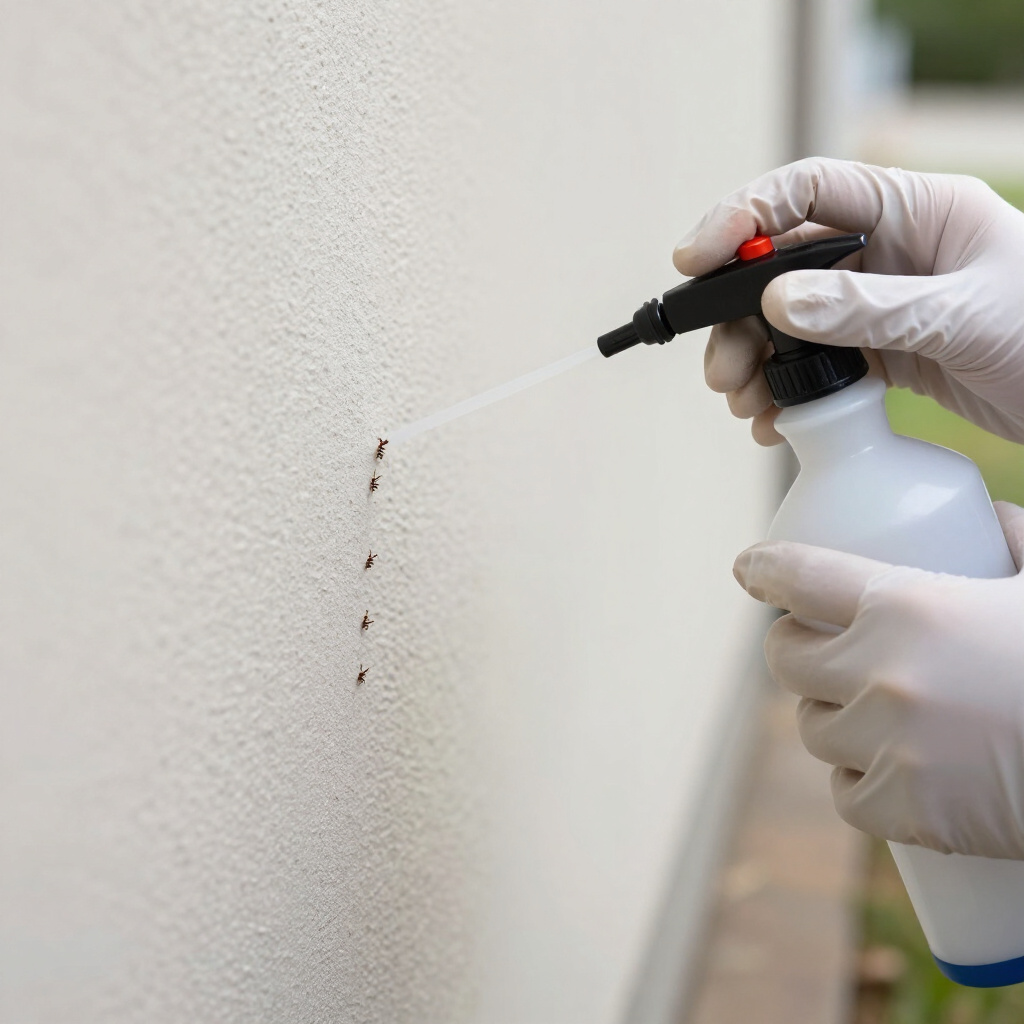
For many common household nuisances, rolling up your sleeves and taking the do-it-yourself approach can be perfectly effective. Minor ant trails, the occasional spider, or a few fruit flies hovering around ripe bananas are typically manageable without professional intervention.
The DIY route offers several appealing advantages. Cost savings top the list for most homeowners. A bottle of ant bait or a can of wasp spray runs anywhere from five to twenty dollars, while professional services start at significantly higher price points for even basic treatments. Convenience matters too—you can address the problem immediately rather than waiting days for an appointment.
Store-bought options have improved dramatically over the years. Modern over-the-counter products include targeted baits that ants carry back to colonies, growth regulators that interrupt breeding cycles, and botanical-based sprays for those wary of harsh chemicals. Hardware stores and online retailers stock an impressive array of tools, from simple snap traps for mice to ultrasonic repellent devices.
Success with DIY methods requires diligence and realistic expectations. You'll need to identify the pest correctly, choose the appropriate product, follow label directions precisely, and monitor whether the treatment is working. DIY works best when the infestation is small, localized, and caught early. A few ants finding a crumbs under the toaster? Grab some bait stations. A single wasp nest on the porch eave? A carefully applied aerosol might do the trick.
However, DIY efforts stumble when homeowners underestimate the scope of an infestation, misidentify the pest, or apply treatments incorrectly. Using a repellent spray on ants, for instance, often causes colonies to fracture and spread rather than eliminating them. The frustration of recurring problems after multiple store-bought attempts is a common experience that drives people toward professional help.
When Calling a Professional Is the Smarter Choice
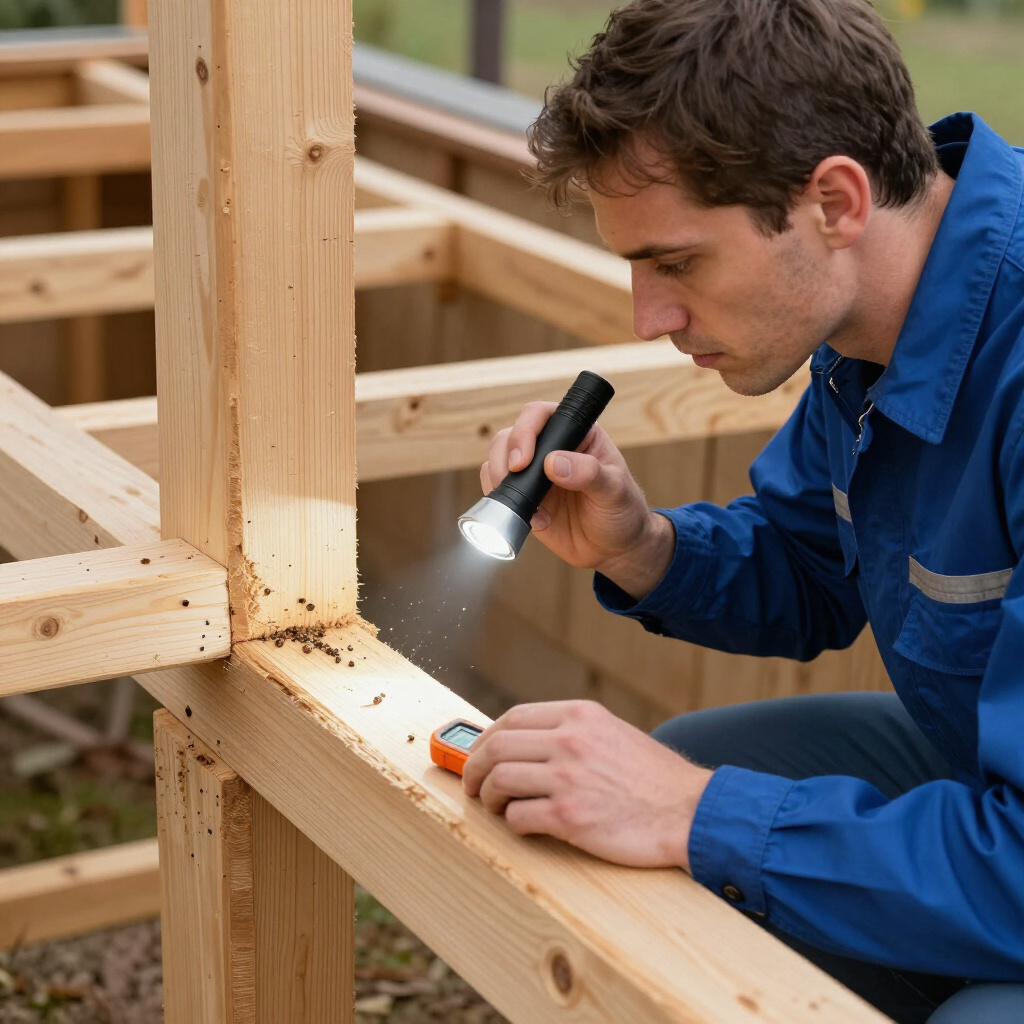
Certain scenarios demand expertise that simply cannot be replicated with retail products. Termites silently consuming your home's structural wood, bed bugs hiding in mattress seams and electrical outlets, or extensive rodent infestations with multiple entry points all warrant professional intervention.
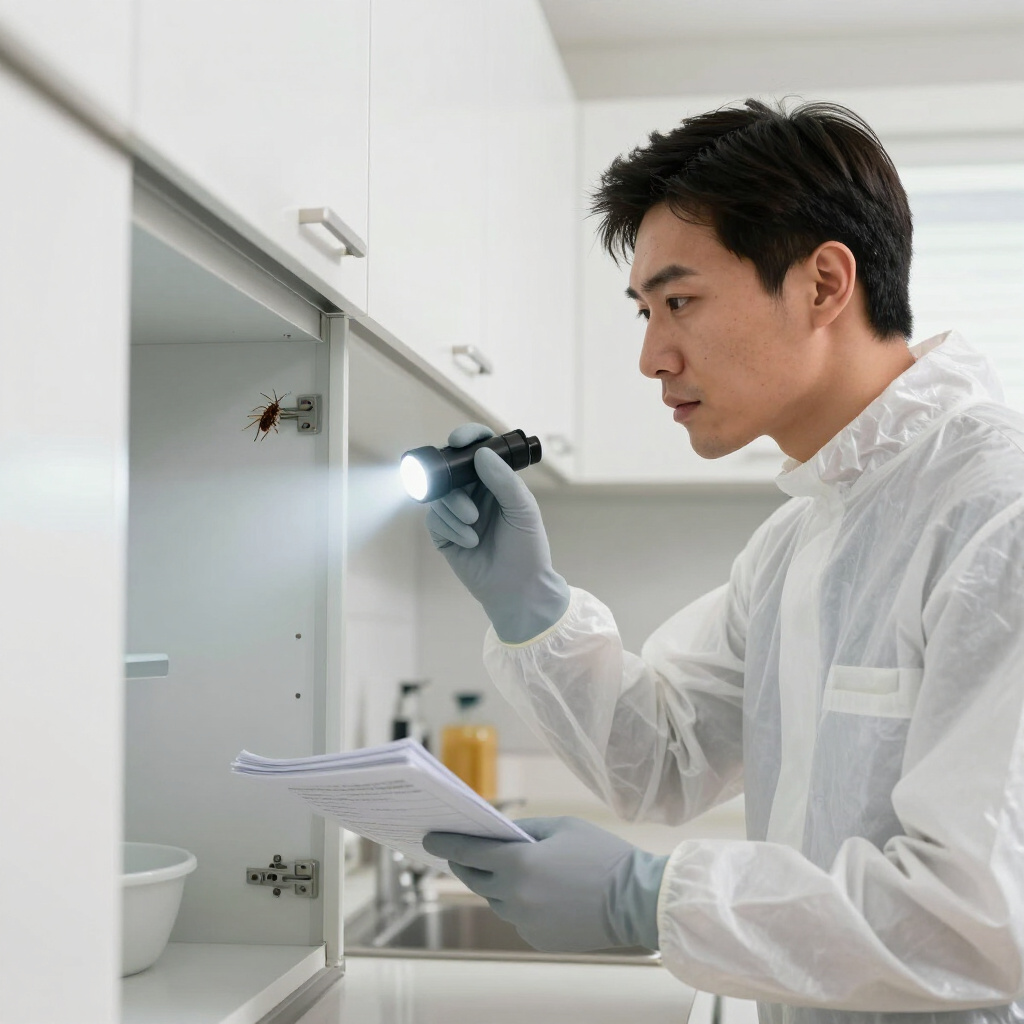
Licensed pest control technicians bring training, experience, and access to commercial-grade products that aren't available to consumers. They understand pest biology and behavior at a level that allows them to target infestations at their source rather than just treating symptoms. A professional can trace ant trails to hidden nests inside walls, identify the subtle signs of termite damage before it becomes catastrophic, and recognize the difference between similar-looking pests that require vastly different treatments.
Safety represents another crucial consideration. Professionals know how to handle restricted-use pesticides responsibly, apply treatments in ways that minimize risk to children and pets, and use protective equipment properly. They also carry insurance that protects you if something goes wrong.
The value of guarantees shouldn't be overlooked. Reputable pest control companies typically warranty their work, returning at no extra charge if pests persist. This accountability provides peace of mind that DIY efforts cannot match. When you're staring at a potential termite treatment costing thousands of dollars, that guarantee becomes especially meaningful.
Time-sensitive situations also favor professionals. Aggressive yellow jacket nests threatening your family, cockroach infestations in food service areas, or any pest problem in a home with allergy sufferers or immunocompromised residents deserve rapid, expert response.
Key Tips for Making Your Decision
Evaluating whether to go DIY or professional starts with honest assessment. Ask yourself these questions: How extensive does the infestation appear? Do I know exactly what pest I'm dealing with? Am I comfortable handling chemicals or setting traps? Do I have time to monitor and retreat if necessary? Is there potential for property damage or health risks?
If you choose the DIY path, always read product labels completely before purchasing or applying anything. The label is legally binding and contains essential information about proper use, safety precautions, and which pests the product actually targets. Never assume a "more is better" approach—over-application wastes money, creates unnecessary chemical exposure, and can drive pests deeper into hiding.
For those leaning toward professional help, research matters. Look for licensed, insured companies with solid local reputations. Ask about their treatment philosophies, whether they emphasize integrated pest management techniques, and what follow-up services include. Beware of high-pressure sales tactics or quotes that seem dramatically lower than competitors without clear explanation.
Consider hybrid approaches too. Some homeowners handle routine prevention themselves—sealing cracks, maintaining screens, eliminating moisture issues, and using basic perimeter treatments—while reserving professional services for specific problems that arise. This strategy captures cost savings on the prevention side while ensuring expert help when situations exceed DIY capabilities.
Prevention regardless of your chosen approach pays dividends. Store food in sealed containers, address leaks promptly, keep firewood away from your foundation, and maintain your yard to reduce harborage areas. These steps reduce the likelihood of infestations starting in the first place.
Final Thoughts
There's no universal right answer in the DIY pest control vs hiring a professional debate. The occasional invader responding to simple measures? DIY probably serves you well. Complex, persistent, or potentially destructive infestations? Professional expertise becomes a wise investment in protecting your home and health.
Perhaps the most important insight is recognizing when your initial approach isn't working. Spending months and considerable money on ineffective DIY attempts often costs more in the long run than calling a professional at the outset would have. Similarly, paying for repeated professional visits for problems you could easily handle yourself wastes resources unnecessarily.
Trust your assessment of the situation, don't let pride or frugality override good judgment, and remember that effective pest control ultimately means solving the problem completely—not just making it less visible for a while. Whether you reach for the spray bottle or the phone, the goal remains the same: reclaiming your home from unwanted visitors and keeping it that way.