
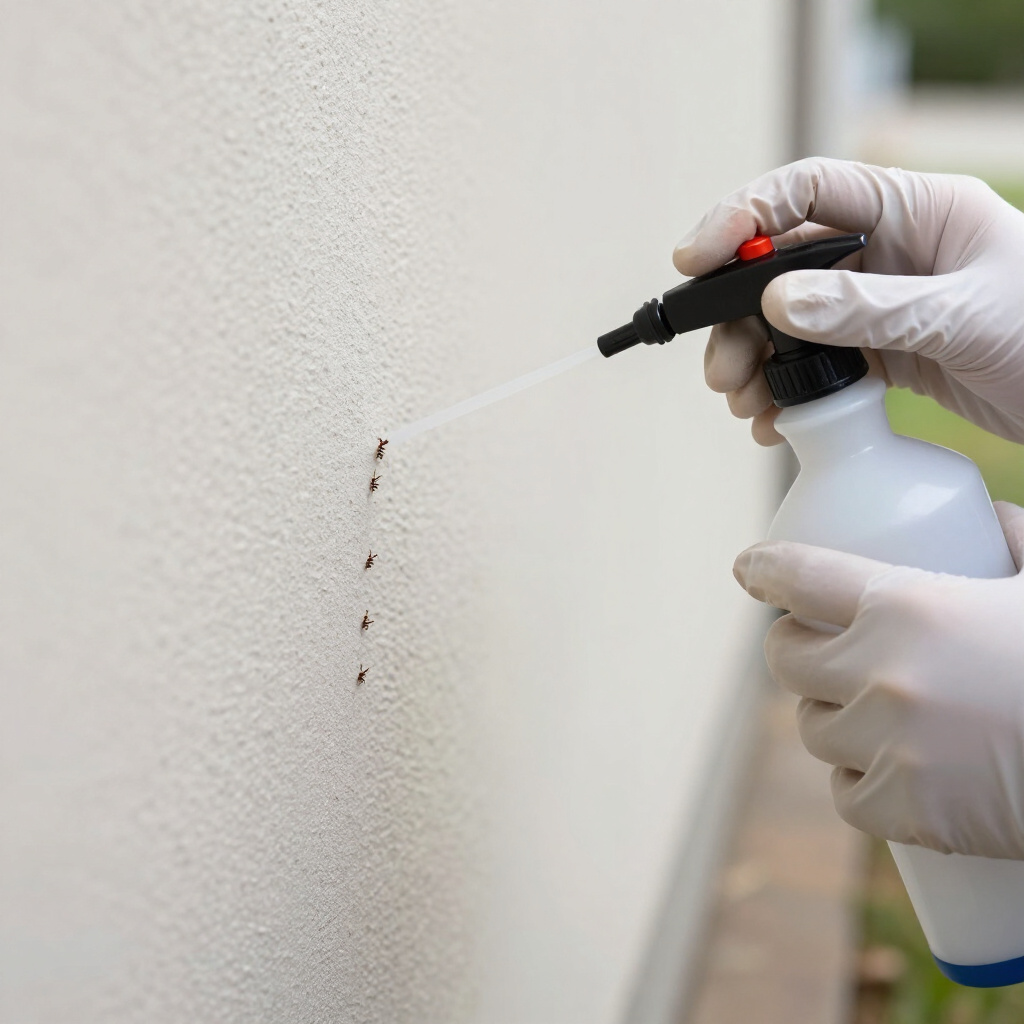


There's nothing quite like the frustration of spotting a single ant on your kitchen counter, only to turn around and find a steady trail marching across your floor a few hours later. Ants are remarkably persistent once they've found what they're looking for—whether that's a crumb under the toaster, a sticky spot on the floor, or a water source in your bathroom. The good news? With the right approach, you can make your home far less inviting to these tiny invaders and stop problems before they start. Here's how to prevent ants from invading your home with practical, proven strategies that actually work.
How to Prevent Ants From Invading Your Home by Eliminating Food Sources
Ants don't wander into your home by accident. They're following scent trails laid down by scout ants who've discovered something worth returning for—almost always food. Making your kitchen and dining areas unappealing is your first and most powerful line of defense.
Start with the basics: store all food in airtight containers. This includes pantry staples like sugar, flour, cereal, and pet food. Ants can detect even tiny amounts of food, and paper or cardboard packaging offers little resistance to determined foragers. Glass, metal, or heavy-duty plastic containers with tight seals are essential investments.
Cleanliness matters enormously. Wipe down counters after every meal preparation, sweep floors daily, and don't forget those easily overlooked spots—the toaster crumb tray, the gap beside the stove, the rubber seal on your refrigerator door. Even a few grains of sugar or a smear of honey can sustain an entire colony's interest. Take garbage out regularly and use bins with secure lids, both indoors and outdoors.
Pet food deserves special attention. If possible, feed pets at scheduled times rather than leaving food out constantly. When mealtime ends, pick up bowls, rinse them clean, and store dry food in sealed containers just like your own.
Remove Water Sources and Fix Moisture Problems
While ants are famous for seeking food, they need water too—and your home likely offers more than you realize. Reducing moisture eliminates another major attraction and can make the difference between occasional visitors and a full-blown infestation.
Check under sinks for dripping pipes or condensation. Repair leaks promptly, no matter how minor they seem. In bathrooms, ensure proper ventilation during and after showers to prevent dampness that attracts thirsty ants. Don't let water pool in plant saucers, and consider moving overly watered houseplants away from exterior walls where ants might be exploring entry points.
Basements, crawl spaces, and areas around water heaters are common trouble spots. A dehumidifier can help in persistently damp areas. Even condensation on cold water pipes can draw ants, so insulating pipes may help more than you'd expect.
Seal Entry Points and Create Barriers
Ants are incredibly small and resourceful at finding ways inside. A thorough inspection of your home's exterior and interior can reveal surprising access points you'd never noticed.
Walk around your home's perimeter and examine the foundation, walls, and areas where utilities enter. Seal cracks and crevices with silicone caulk—pay special attention to gaps around windows, doors, and where pipes or wires penetrate walls. Weatherstripping around doors and windows should be intact and snug. Even tiny gaps under door sweeps can admit streams of ants.
Inside, expand your sealing efforts to baseboards, electrical outlets, and plumbing penetrations. These interior gaps may connect to exterior entry points or wall voids where ants travel. Caulking these areas disrupts scent trails and forces ants to find new routes—ideally, ones that lead them back outside.
For added protection, consider creating natural deterrent barriers. Diatomaceous earth sprinkled in thin lines at potential entry points can be effective, though it needs reapplication after getting wet. Certain essential oils—peppermint, tea tree, and citrus oils in particular—can disrupt ant trails when diluted and sprayed along baseboards and entry points. These aren't permanent solutions, but they can buy you time and discourage exploration.
Key Tips for Long-Term Ant Prevention
Beyond the core strategies, several additional habits will strengthen your defenses considerably.
Manage your landscape thoughtfully. Trim tree branches and shrubs so they don't touch or overhang your home—these act as bridges ants readily use. Keep mulch, firewood, and dense vegetation several inches away from your foundation, as these materials harbor moisture and ant colonies. Consider replacing wood mulch with stone or rubber alternatives near the house.
Inspect items before bringing them indoors. Potted plants, garden produce, firewood, and even secondhand furniture can transport ants or their eggs inside. A quick check saves significant trouble later.
Address ant trails immediately when you spot them. Wipe down the visible trail with soapy water or a vinegar solution to destroy the pheromone markers that guide other ants. Then investigate where the trail leads—both ends matter. Finding where they're entering and what they're after helps you solve the root cause.
Be cautious with over-the-counter sprays. While tempting, aerosol insecticides often kill only visible workers while scattering the colony, potentially creating multiple new nests. Bait products are generally more effective for minor issues, as workers carry the slow-acting poison back to the colony. However, persistent or recurring problems typically indicate a larger issue that professional assessment can resolve more effectively.
Final Thoughts
Preventing ants from invading your home comes down to making your space less attractive, less accessible, and less hospitable than the alternatives available to them. No single step guarantees success, but combining diligent sanitation, moisture control, physical sealing, and smart exterior maintenance creates a comprehensive defense that most ant species find discouraging.
The effort you invest in prevention pays dividends—not just in avoiding the annoyance of ant trails across your counters, but in protecting your home from the structural concerns and contamination risks that serious infestations can bring. Stay vigilant, address problems promptly, and don't hesitate to seek professional guidance if ants persist despite your best efforts. Sometimes the colony's location or species requires specialized knowledge to eliminate effectively, and early intervention prevents small problems from becoming major headaches.