
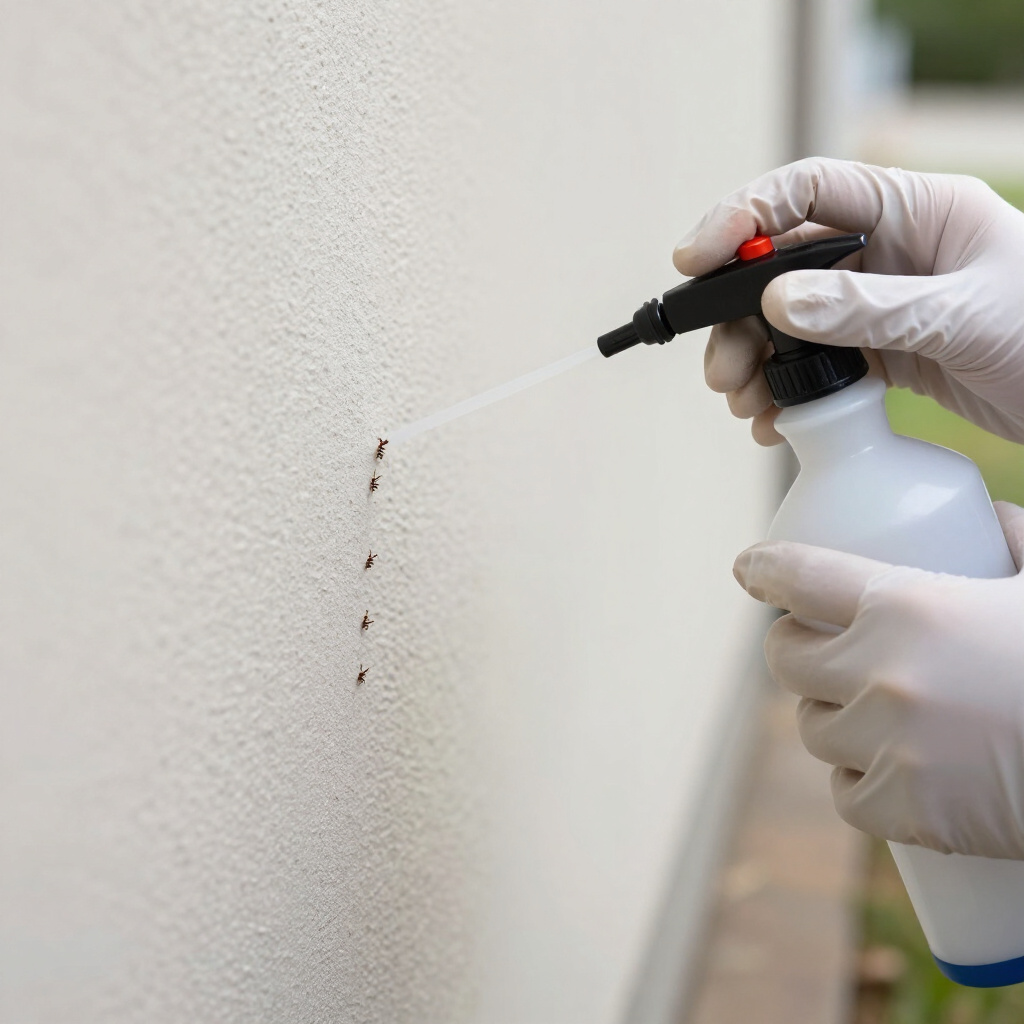


Few things disrupt the comfort of home quite like discovering unwanted guests scurrying across your kitchen floor or buzzing around your bedroom. Whether you're dealing with persistent ants, stealthy rodents, or mysterious bites that appear overnight, household pests are a universal challenge that every homeowner faces at some point. The good news? Most infestations are entirely preventable with the right knowledge and consistent habits. In this guide, we'll walk through the most common household pests and the practical, proven strategies that keep them outside where they belong.
Most Common Household Pests and How to Prevent Them
Understanding your enemy is the first step in effective pest management. Different pests require different approaches, so let's break down the usual suspects and what makes them tick.
Ants top the list for sheer persistence. These tiny foragers follow scent trails relentlessly once they locate a food source. Sugar ants swarm to spills and crumbs, while carpenter ants pose a more serious threat by tunneling through damp wood. Prevention starts with impeccable kitchen hygiene—wipe counters immediately, store food in airtight containers, and address moisture issues promptly. Seal cracks around windows, doors, and your foundation with silicone caulk, as these are highways for marching colonies.
Cockroaches thrive in warm, humid environments with ready access to food and water. German cockroaches are particularly problematic because they reproduce rapidly and can develop resistance to over-the-counter treatments. These nocturnal pests hide in dark crevices during daylight hours, making early detection difficult. Eliminate their hiding spots by reducing clutter, fixing leaky pipes, and keeping your home dry. Pay special attention to kitchen appliances, where grease buildup provides a feast, and behind cabinets where moisture accumulates.
Rodents—mice and rats—seek shelter, food, and nesting materials, especially as seasons change. Their gnawing damages electrical wiring, insulation, and structural elements, while their droppings contaminate surfaces and trigger allergies. A single mouse can squeeze through an opening the size of a dime, so thorough exclusion is essential. Inspect your home's exterior for gaps around utility penetrations, damaged vents, and foundation cracks. Store pantry items in gnaw-proof containers, and maintain landscaping so vegetation doesn't provide cover or bridges to your roofline.
Termites work silently, often causing extensive damage before detection. Subterranean termites build mud tubes to access wood, while drywood varieties infest furniture and framing directly. Reduce your risk by maintaining a gap between soil and wooden siding or trim, directing downspouts away from your foundation, and storing firewood at least twenty feet from your home. Annual professional inspections are your best defense, particularly in regions where termite pressure is high.
Spiders generally benefit homeowners by controlling other insect populations, but venomous species like black widows and brown recluses warrant caution, and cobwebs create an unkempt appearance. Spider prevention centers on eliminating their prey—other insects. Reduce exterior lighting that attracts flying insects, keep screens intact, and minimize harborage areas like stacked firewood, dense shrubbery against walls, and cluttered storage spaces.
Mosquitoes transform pleasant evenings into miserable experiences and pose legitimate health concerns. These breeders need surprisingly little water—just a bottle cap's worth suffices for some species. Weekly inspection of your property eliminates breeding sites: empty birdbaths, unclog gutters, refresh pet water dishes, and overturn containers that collect rainfall. For standing water you cannot eliminate, such as ponds or rain barrels, consider mosquito dunks containing beneficial bacteria that target larvae specifically.
Fleas and ticks hitchhike indoors on pets and people, then establish themselves in carpets, upholstery, and bedding. Beyond the irritation of bites, ticks transmit serious diseases. Protect your household with consistent pet treatments recommended by your veterinarian, frequent vacuuming of high-traffic areas, and washing pet bedding on hot cycles. Outdoors, keep grass mowed, create buffer zones between wooded areas and recreation spaces, and consider perimeter treatments if tick pressure is significant.
Foundational Prevention Strategies
While each pest has specific vulnerabilities, certain universal principles dramatically reduce your overall risk across the board.
Exclusion—physically blocking entry—is your most sustainable long-term strategy. Conduct seasonal perimeter inspections, paying particular attention to weather stripping around doors, gaps where utilities enter, damaged soffits, and foundation cracks. Remember that pests exploit the path of least resistance; even minor gaps become grand entrances when motivation is strong.
Moisture management addresses a fundamental requirement for most pests. Fix leaks promptly, ensure proper ventilation in bathrooms and kitchens, use dehumidifiers in damp basements, and maintain your roof and gutter systems. Dry environments simply don't support the same pest pressure as moist ones.
Sanitation removes the food sources that sustain infestations. Develop routines for immediate cleanup of crumbs and spills, regular disposal of garbage in sealed containers, and pet food management—never leave bowls out overnight. In storage areas, use plastic bins rather than cardboard, which serves as both food and harborage for multiple pest species.
Landscaping discipline creates a buffer between your home and pest habitat. Trim branches away from rooflines to eliminate bridges for rodents and ants. Mulch sparingly directly against foundations—consider rock or rubber alternatives in immediate perimeter zones. Position compost bins thoughtfully, and never store firewood against your exterior walls.
Key Tips
When prevention measures aren't enough, early intervention prevents small problems from becoming overwhelming infestations. Learn to recognize the subtle signs: frass (insect excrement), shed skins, unusual odors, gnaw marks, or simply seeing pests during daylight hours when they typically hide. These indicators suggest established populations requiring professional assessment.
Avoid the common mistake of treating symptoms while ignoring causes. Spraying visible ants eliminates foragers temporarily, but the colony persists and resupplies. Similarly, setting traps for mice without sealing entry points invites perpetual replacement. Effective pest management demands addressing why pests arrived and how they're sustaining themselves.
When selecting pest control products, match your approach to the specific pest and situation. Misapplied pesticides waste money, create unnecessary chemical exposure, and often worsen problems by scattering pests rather than eliminating them. When in doubt—particularly for termites, bed bugs, or widespread infestations—professional expertise saves time, money, and frustration in the long run.
Consider integrated pest management (IPM) principles: combine multiple tactics—biological, physical, mechanical, and chemical when necessary—prioritizing the least hazardous effective options. This approach protects your family, pets, and the broader environment while achieving durable results.
Final Thoughts
Most Common Household Pests and How to Prevent Them isn't merely about eliminating annoyances—it's about protecting your home's integrity, your family's wellbeing, and your peace of mind. The pests we've covered represent the majority of residential challenges, but the principles of exclusion, moisture control, sanitation, and vigilant early response apply universally.
Prevention demands consistent attention rather than heroic interventions. Small habits maintained faithfully outperform dramatic measures applied sporadically. Start with a thorough home inspection this weekend, addressing the most accessible vulnerabilities first. Build from there, season by season, until your home becomes genuinely inhospitable to unwanted visitors.
Remember that professional pest control services exist not as a last resort, but as partners in prevention. Annual inspections catch developing issues before damage accumulates, and expert guidance tailors protection to your specific property, climate, and concerns. The investment in professional partnership often pays dividends many times over in avoided damage and preserved property value.
Your home should be your sanctuary. With informed, proactive pest management, it stays that way—comfortable, protected, and entirely yours.