
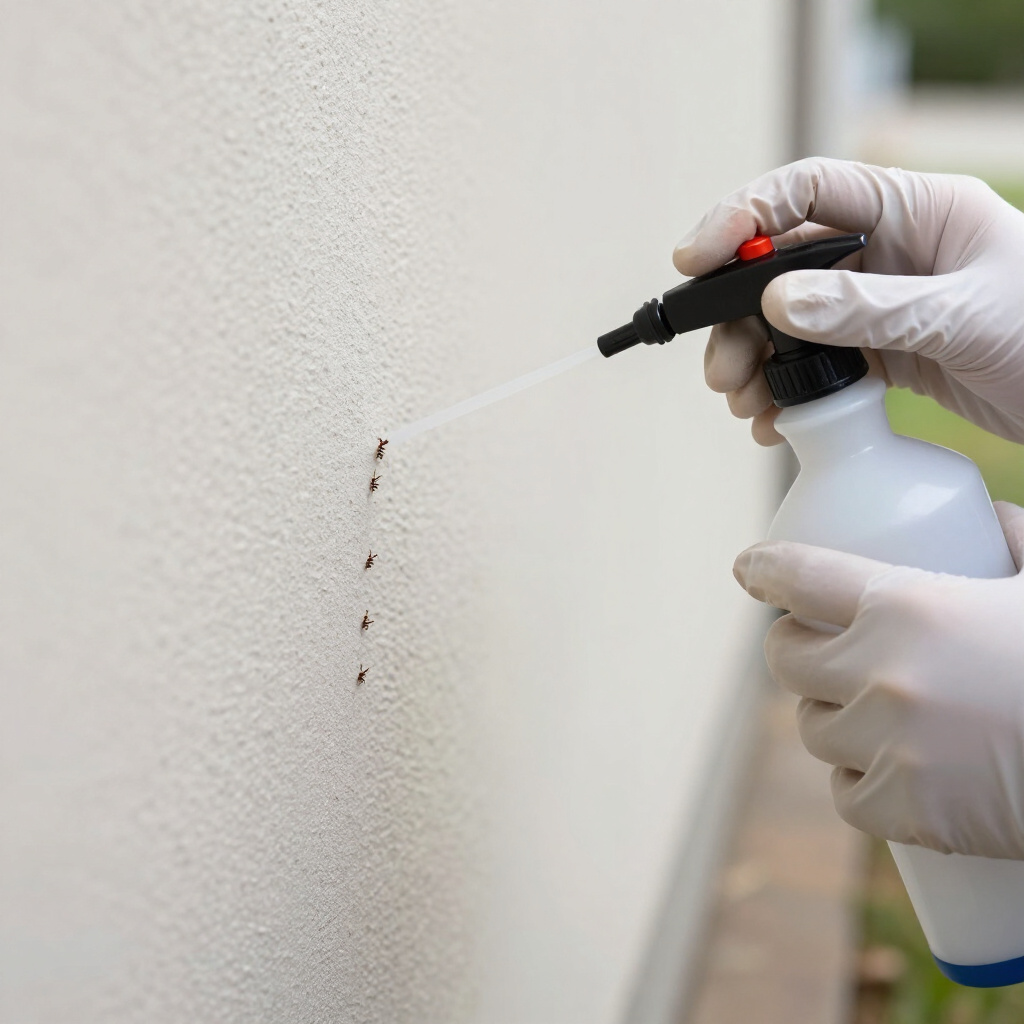

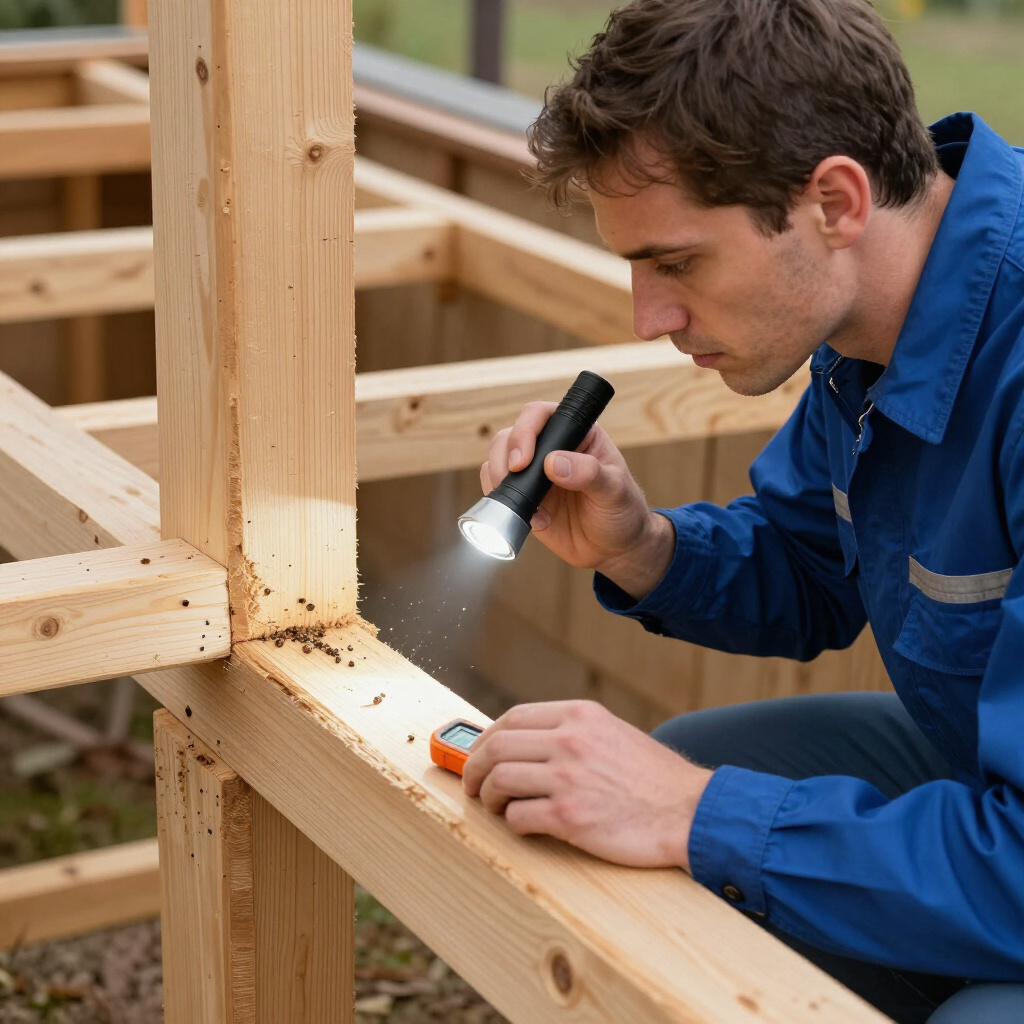
When ants march across your kitchen counter or aphids cluster on your tomato plants, reaching for harsh chemicals isn't your only option. Natural pest control methods have been refined over generations, and many deliver impressive results without exposing your family, pets, or the environment to synthetic toxins. Whether you're dealing with indoor invaders or garden pests, these proven approaches can help you reclaim your space safely and effectively.
Natural Pest Control Methods That Actually Work in Your Home
Your kitchen and pantry already hold powerful pest-fighting ingredients. The key is knowing how to deploy them strategically.
Essential oils rank among the most versatile natural pest control methods that actually work. Peppermint oil repels spiders, ants, and mice when diluted with water and sprayed along baseboards and entry points. Tea tree oil and eucalyptus offer similar benefits against different pests. For best results, reapply every few days, as the scent fades faster than chemical alternatives.
Diatomaceous earth deserves a permanent spot in your pest management toolkit. This fine powder, made from fossilized aquatic organisms, damages the exoskeletons of crawling insects like cockroaches, bed bugs, and fleas, causing them to dehydrate. Sprinkle food-grade diatomaceous earth in cracks, behind appliances, and in other pest pathways. It remains effective as long as it stays dry, making it ideal for basements and under sinks.
Vinegar solutions disrupt ant trails and repel fruit flies. A mixture of equal parts white vinegar and water cleans away the scent markers ants use to navigate, while a small dish of apple cider vinegar with a drop of dish soap traps fruit flies effectively. These solutions cost pennies and pose zero risk to children or pets.
For persistent pantry moths, bay leaves tucked into flour containers and rice bins provide surprisingly reliable protection. The aromatic oils these leaves release deter adult moths from laying eggs where food is stored.
Natural Pest Control Methods That Actually Work in the Garden
Outdoor pest management requires a slightly different approach, focusing on prevention, beneficial partnerships, and targeted interventions.
Companion planting represents one of the oldest and most effective natural pest control methods that actually work. Marigolds release compounds from their roots that repel nematodes, while their strong scent confuses many flying pests. Nasturtiums act as trap crops, luring aphids away from your vegetables. Planting basil near tomatoes not only improves flavor but also repels flies and mosquitoes.
Beneficial insects serve as your garden's security force. Ladybugs consume hundreds of aphids daily. Lacewing larvae devour caterpillars, mites, and other soft-bodied pests. Praying mantises tackle larger prey. Attract these allies by planting dill, fennel, cosmos, and yarrow—plants that provide nectar and pollen for adult beneficials while their offspring handle the pest control.
Neem oil stands out as a botanical insecticide with genuine effectiveness. Derived from the neem tree, it disrupts feeding and reproduction in over 200 pest species including whiteflies, spider mites, and Japanese beetles. Unlike broad-spectrum pesticides, neem oil spares beneficial insects when applied in early morning or evening when bees are inactive.
Physical barriers often outperform sprays entirely. Floating row covers exclude cabbage moths and carrot rust flies from laying eggs. Copper tape creates a mild electrical reaction that repels slugs and snails without harming them. Crushed eggshells spread around plants provide both calcium and a deterrent barrier against soft-bodied pests.
Homemade sprays using garlic, hot peppers, or soap offer targeted relief for active infestations. A simple blend of crushed garlic, mineral oil, dish soap, and water, strained and diluted, repels many chewing insects. Always test on a small leaf section first, as some plants are sensitive even to natural preparations.
Key Tips for Success with Natural Approaches
Transitioning to natural pest control methods that actually work requires patience and a shift in perspective. These strategies emphasize prevention and management over instant elimination.
Start with identification. Misidentifying your pest leads to ineffective treatments. A solution for fungus gnats won't touch pantry beetles. Take clear photos and consult extension service resources before acting.
Apply treatments consistently. Natural products break down faster than synthetic chemicals, which is precisely why they're safer. This means more frequent application—typically every 3-7 days during active infestations.
Maintain vigilance with sanitation. The most powerful natural pest deterrent is removing what attracts pests in the first place. Store food in sealed containers, eliminate standing water, keep compost bins away from structures, and promptly clean up fallen fruit in the garden.
Combine multiple methods. Integrated Pest Management—using several complementary tactics—yields better results than relying on any single approach. Physical barriers plus beneficial insects plus occasional targeted sprays create redundancy in your defense system.
Expect gradual improvement. Natural methods often reduce pest populations over weeks rather than hours. This measured approach preserves ecological balance while still protecting your home and harvest.
Final Thoughts
Effective pest management doesn't require choosing between a chemical-filled home and surrendering to invaders. Natural pest control methods that actually work are accessible, affordable, and genuinely capable of protecting your living spaces and garden productivity. By understanding pest behavior, leveraging natural deterrents, and maintaining consistent habits, you can achieve excellent results while keeping your environment healthy for everyone who shares it—including the beneficial creatures that contribute to a thriving ecosystem.