
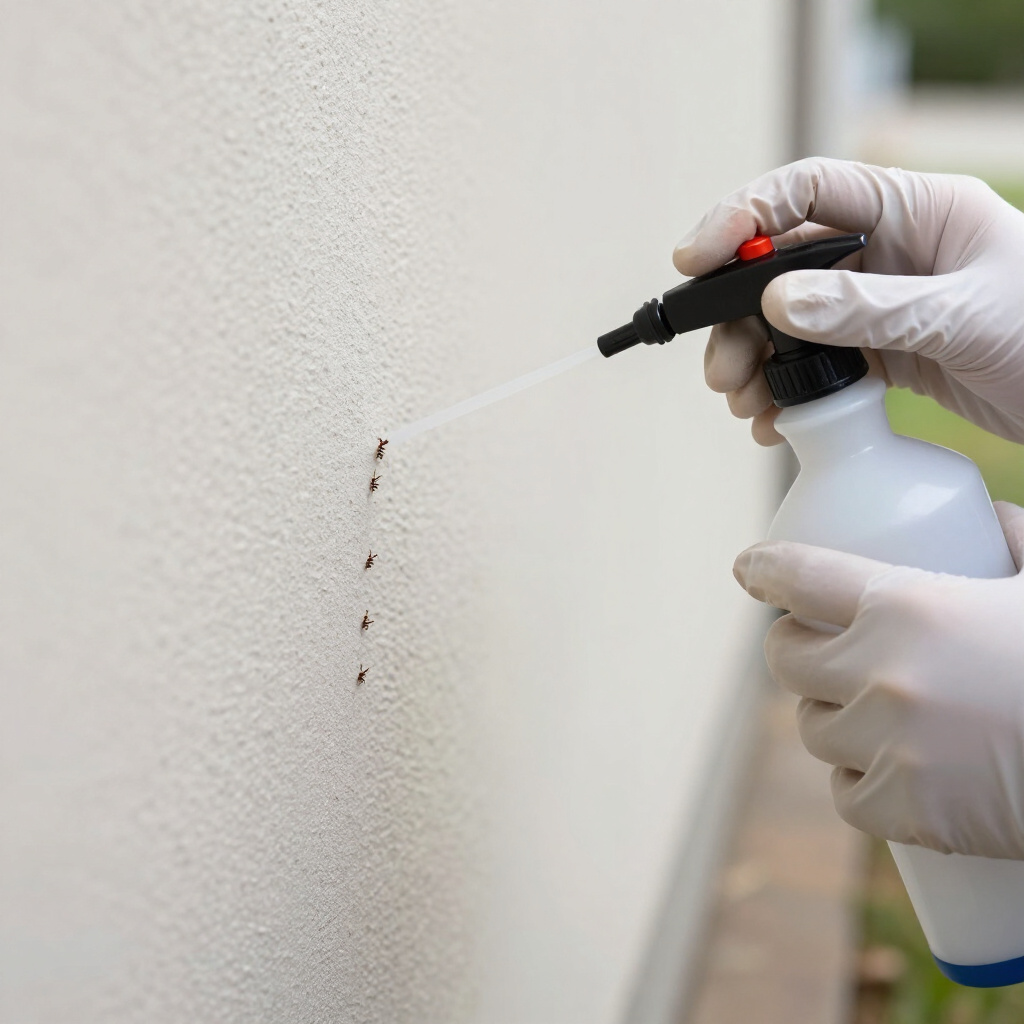


Pests don't take vacations, and neither should your home protection strategy. What works in summer often fails in winter, and the rodents scrambling for your attic in October couldn't care less about the ant traps you set back in May. A reactive approach—waiting until you see pests before acting—almost always means you're already behind. The smarter path? A season-by-season checklist that keeps your home one step ahead of the creatures trying to move in. Here's your year-round guide to staying pest-free, no matter what the calendar says.
Seasonal Pest Control Checklist: Spring Awakening
Spring is when pest populations explode. Warmer temperatures wake hibernating insects, and mating season kicks into high gear for everything from ants to termites. This is your most important window for preventive action.
Start outside where winter damage has left gaps and vulnerabilities. Inspect your foundation for cracks that expanded during freeze-thaw cycles—seal anything wider than a pencil eraser with silicone caulk or concrete patch. Check window screens for tears and door sweeps for wear; even tiny openings become highways for carpenter ants and early mosquitoes.
Your yard needs attention too. Rake away leaf piles and debris where overwintering insects hide. Trim shrubs and tree branches back at least 12 inches from your walls and roofline—think of these as bridges that let ants, spiders, and rodents bypass your defenses entirely. Clean gutters thoroughly; clogged channels create standing water that breeds mosquitoes and attracts moisture-loving pests like silverfish and earwigs.
Inside, focus on moisture control. Spring humidity draws carpenter ants, termites, and cockroaches. Run dehumidifiers in basements and crawl spaces, fix any plumbing leaks promptly, and ensure your bathroom exhaust fans actually vent outdoors. If you spot winged insects swarming near windows, call a professional immediately—this often signals a termite colony preparing to expand.
Summer Vigilance and Fall Preparation
Summer pest pressure shifts toward flying and biting insects. Mosquitoes, wasps, and flies dominate, but this season also reveals weaknesses in your spring preparations that need addressing before autumn arrives.
Walk your property weekly during summer. Dump standing water in flowerpot saucers, birdbaths, and kiddie pools—mosquitoes need only a bottlecap's worth to breed. Keep garbage in sealed containers with tight lids, and don't let it accumulate. Wasps and yellowjackets become aggressively territorial in late summer, so address nests early when they're small and the colony is less defensive.
Your seasonal pest control checklist should include checking attic vents and chimney caps. Summer heat drives squirrels, bats, and raccoons to seek cooler shelter, and these entry points are irresistible. Install hardware cloth over vents if missing, and ensure chimney flues close securely.
As August transitions to September, pivot hard toward fall preparation. This is when rodents begin seeking winter shelter, and once inside, they rarely leave voluntarily. Inspect your roofline for gnaw marks, damaged fascia boards, and gaps around utility penetrations. Stuff steel wool into openings—mice can't chew through it—and follow with caulk or foam. Stock up on snap traps and place them in garages, basements, and attic access points before temperatures drop, not after you hear scratching at midnight.
Winter Defense and Year-Round Maintenance
Winter lulls many homeowners into complacency, but this is when interior pest issues peak. Rodents, overwintering stink bugs, boxelder bugs, and spiders have moved inside—and without outdoor food sources, they're entirely dependent on what your home provides.
Maintain your vigilance with monthly inspections. Check under sinks for leaks that attract cockroaches and silverfish. Store pantry goods in glass or thick plastic containers; a mouse can smell through thin packaging and will chew through cardboard overnight. Keep pet food sealed and don't leave bowls out overnight.
The dry air of heated homes drives spiders and insects toward moisture and warmth. Check rarely visited spaces: utility closets, storage rooms, and the areas behind appliances. These become refuge zones where pest populations build unnoticed. A quick vacuum and inspection monthly prevents surprises.
Your seasonal pest control checklist works best as a living document. Note what you found each season, what worked, and what gaps appeared. Did wasps nest in the same eave three years running? There's a construction flaw to address. Did mice appear in the basement despite your efforts? The entry point remains undiscovered. This record-keeping transforms scattered efforts into genuine protection.
When Professional Help Makes Sense
DIY maintenance handles most preventive needs, but certain situations warrant expert intervention. Termite activity, bed bug signs, or recurring structural infestations require specialized knowledge and tools. Professionals can also spot vulnerabilities homeowners miss—subtle foundation shifts, hidden moisture intrusion, or landscape features that channel pests toward your home.
Consider an annual professional inspection even if you've seen no pests. Think of it as the pest equivalent of an HVAC tune-up: catching issues before they become expensive problems. Many reputable companies offer seasonal maintenance programs that align with this checklist, handling the technical aspects while you manage the day-to-day vigilance.
Final Thoughts
Effective pest control isn't about dramatic interventions or panic-driven purchases. It's about consistent, seasonally adjusted habits that remove what pests need—food, water, shelter, and entry—and catching problems while they're still small. Your seasonal pest control checklist gives you that structure, transforming an overwhelming year-round battle into manageable, timed tasks. Start with this season's priorities, build the routine, and enjoy the quiet confidence of a home that's truly protected.