
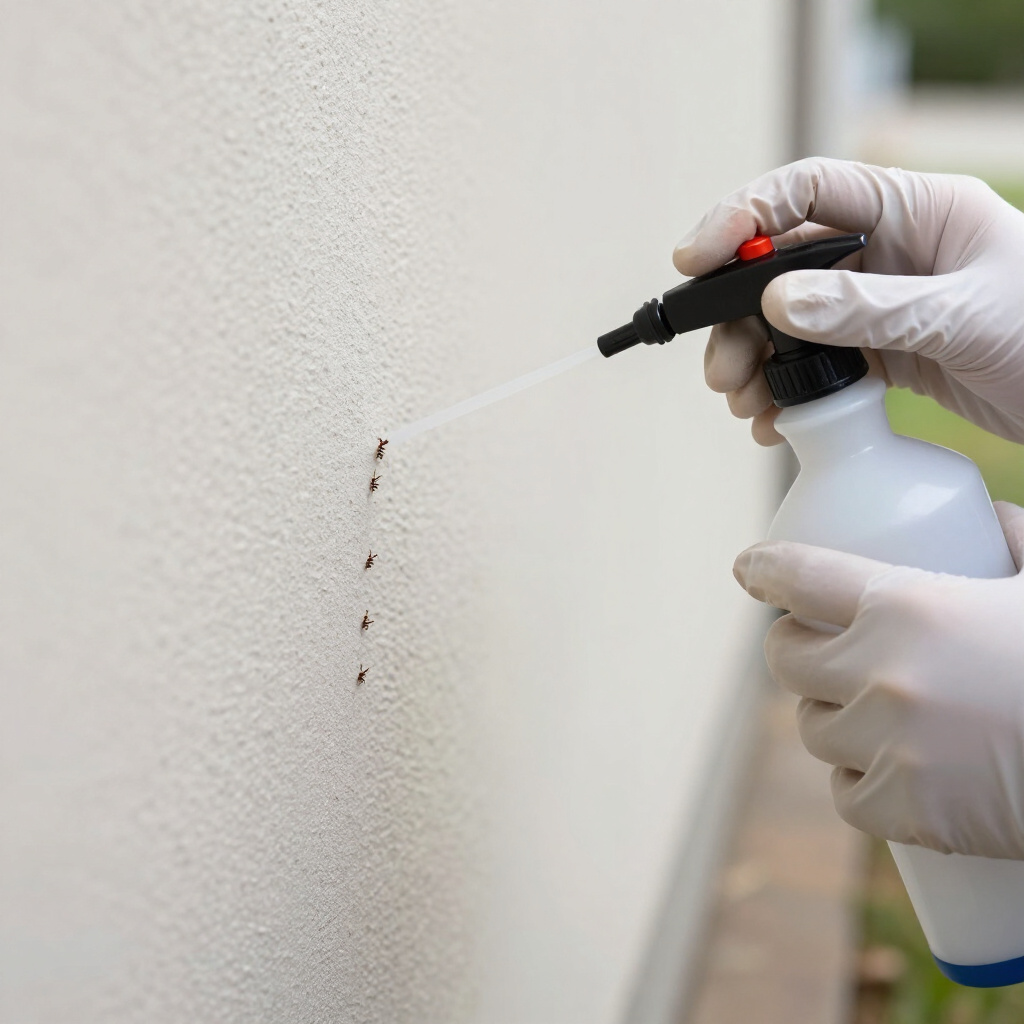

Termites are among the most destructive pests a homeowner can face, causing billions of dollars in damage each year across the United States. What makes them particularly dangerous is their ability to remain hidden for months or even years while silently eating away at the wooden structures of your home. By the time you notice obvious signs of termites, significant damage may have already occurred. Learning to recognize the early warning indicators can help you catch an infestation before it spirals out of control and save you from costly repairs.
Signs You May Have Termites in Your Home
Knowing what to look for is your first line of defense against these wood-destroying insects. Here are the most common indicators that termites may have taken up residence on your property.
Mud tubes on exterior walls or foundations. Subterranean termites, the most common type in many regions, build pencil-thin mud tubes to travel between their underground colony and their food source. These tubes protect termites from predators and prevent them from drying out. Look for them on foundation walls, crawl spaces, or concrete slabs, especially near the ground. Breaking open a mud tube and finding live termites is a definitive confirmation of active infestation.
Hollow-sounding wood. Termites consume wood from the inside out, leaving a thin veneer of paint or wood on the surface. Tap on wooden beams, baseboards, window sills, and door frames with a screwdriver handle. If the wood sounds hollow or papery, termites may have been feasting inside. You might also notice that the wood gives way easily when pressed or probed.
Discarded wings near windows and doors. Reproductive termites, called swarmers, emerge from mature colonies to mate and establish new colonies. After their brief flight, they shed their wings. Finding piles of tiny, uniform wings—often described as looking like fish scales—on windowsills, near doorways, or in spider webs indicates that a termite colony is nearby and may have been established for several years.
Bubbling or peeling paint. When termites introduce moisture into drywall or wood while feeding, it can cause paint to bubble, crack, or peel. This sign is often mistaken for water damage, which makes sense—termites create similar conditions. If you notice this pattern in areas without obvious plumbing leaks, termites could be the hidden culprit.
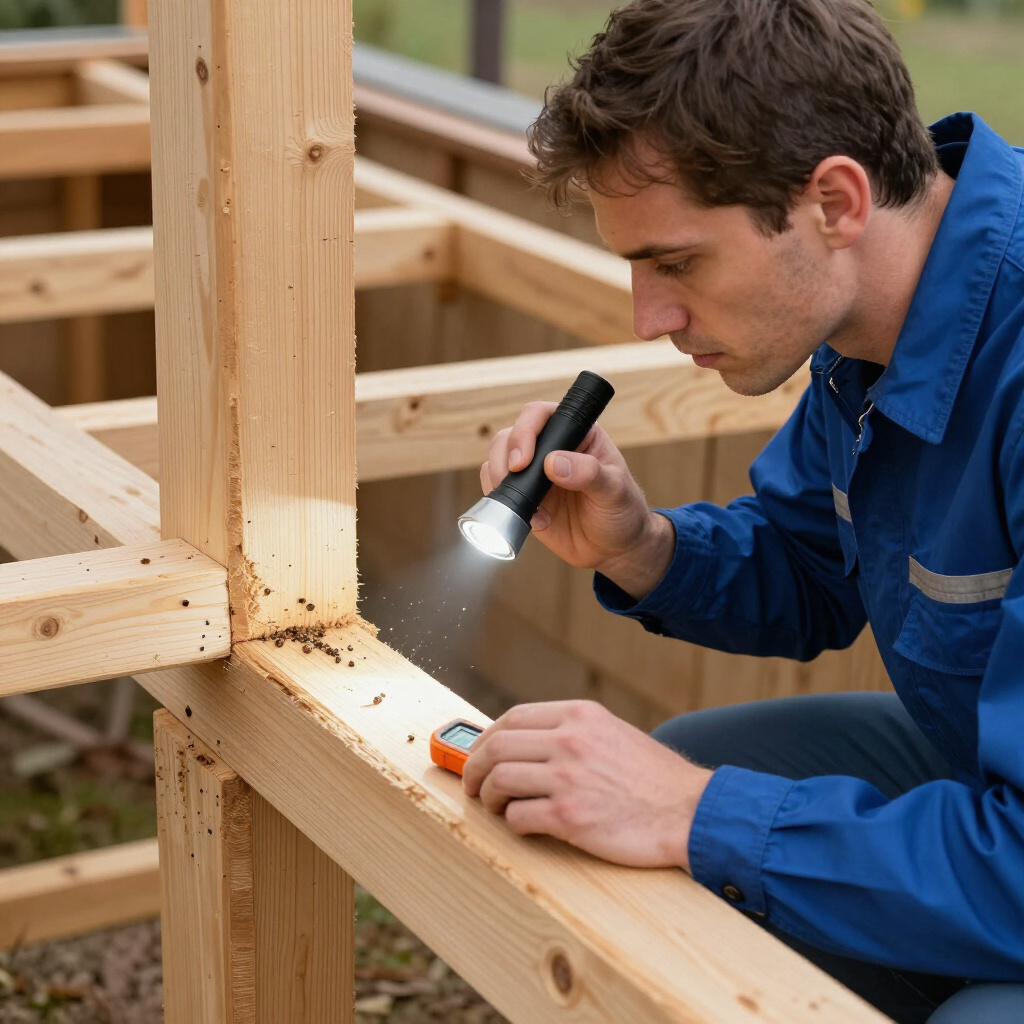
Frass: termite droppings. Drywood termites push their fecal pellets out of small holes near the entrances to their tunnels. These droppings, called frass, resemble coarse sawdust or coffee grounds. Unlike subterranean termites, drywood species do not need soil contact and can infest attic framing, furniture, and hardwood floors. Finding small piles of frass beneath wooden items is a strong indicator of their presence.
Sagging floors and warped ceilings. As termites systematically destroy the structural integrity of wooden support beams, floors may begin to feel spongy or sag. Ceilings can warp or develop unexplained cracks. Doors and windows may become difficult to open or close as the surrounding wood frames distort. These structural changes often develop gradually, so homeowners may adapt to them without recognizing their significance.
Where to Look for Hidden Termite Activity
Termites prefer dark, humid environments with access to cellulose-based materials. Focus your inspections on these high-risk areas:
Your crawl space deserves particular attention, as it often provides ideal conditions for subterranean termites—moisture, darkness, and direct wood-to-soil contact. Examine support piers, floor joists, and subflooring from below if safely accessible. Basements with finished walls can conceal activity for years; consider inspecting behind removable panels or in utility access points.
Exterior wooden elements like deck posts, fence posts, and railway ties that contact soil are highly vulnerable. Mulch beds placed directly against foundations create hidden highways for termites to reach your home's structure. Firewood stacks stored against exterior walls or elevated porches also attract termites and can serve as launching points for infestation.
Attics may harbor drywood termite colonies, especially in regions where this species is prevalent. Inspect exposed rafters and roof sheathing for blistering wood surfaces, small kick-out holes with frass below, or the wings of past swarmers caught in insulation.
Key Tips for Protecting Your Home
Prevention and early detection work together to minimize termite risk. Maintain a gap between soil and any wood portions of your home's structure. Divert water away from the foundation with functional gutters and proper grading. Reduce humidity in crawl spaces through adequate ventilation or vapor barriers.
Schedule professional inspections annually, even if you see no obvious signs. Trained technicians know where to look and can identify subtle indicators that untrained eyes miss. Many pest control companies offer free inspections, and the peace of mind is well worth the time invested.
Never disturb suspected termite activity before professional assessment. Breaking open mud tubes or probing damaged wood may cause termites to retreat deeper into the structure, making them harder to locate and eliminate. Document what you observe with photographs to share with your pest control professional.
Final Thoughts
Recognizing the signs you may have termites empowers you to act quickly before extensive damage occurs. From mud tubes and hollow wood to discarded wings and mysterious frass, these warning signals deserve immediate attention. Partnering with a qualified pest control professional for inspection and treatment ensures that any infestation is identified accurately and addressed with appropriate methods—whether that involves liquid soil treatments, baiting systems, or localized fumigation for drywood species.
Your home is likely your largest investment. Protecting it from termites requires vigilance, knowledge, and timely professional intervention when warning signs appear. The sooner you respond to potential indicators, the better your chances of preserving your property's structural integrity and your financial well-being.